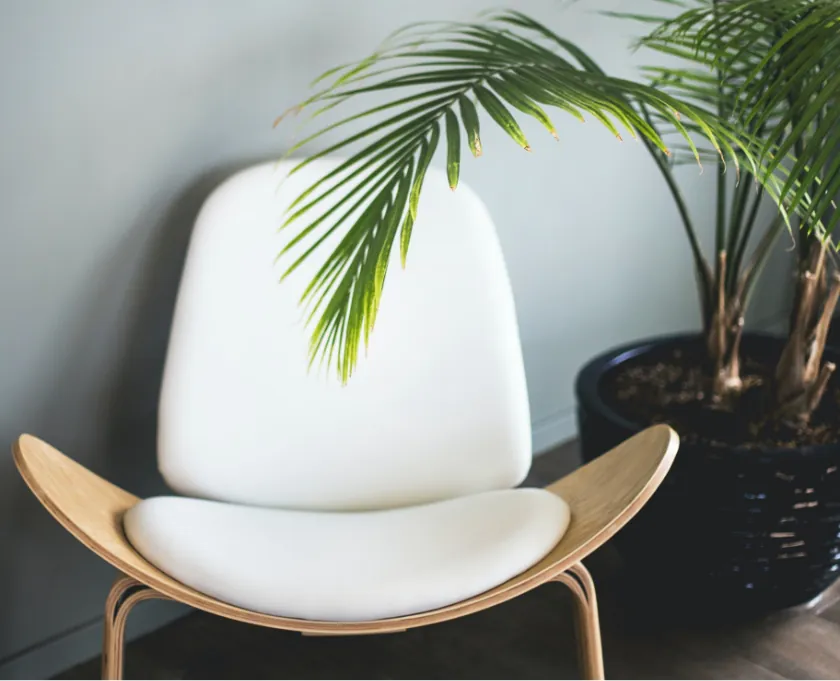
Beautiful Plants For Your Interior

Cras adipiscing enim eu turpis egestas pretium aenean pharetra. Quam id leo in vitae turpis massa sed. Placerat in egestas erat imperdiet sed euismod nisi porta lorem. Amet dictum sit amet justo donec enim diam vulputate. Accumsan lacus vel facilisis volutpat est. Volutpat consequat mauris nunc congue nisi vitae. Pharetra massa massa ultricies mi quis hendrerit. Aliquet risus feugiat in ante metus dictum. Malesuada pellentesque elit eget gravida cum sociis natoque. Commodo odio aenean sed adipiscing diam donec adipiscing tristique risus. Facilisi morbi tempus iaculis urna. Sit amet mattis vulputate enim. Odio eu feugiat pretium nibh ipsum consequat nisl. Sed turpis tincidunt id aliquet risus feugiat in ante. Fames ac turpis egestas maecenas pharetra convallis. Erat pellentesque adipiscing commodo elit at imperdiet dui accumsan sit. Pharetra et ultrices neque ornare aenean euismod elementum nisi quis.
Diam maecenas sed enim ut sem viverra aliquet. Tempor nec feugiat nisl pretium. At quis risus sed vulputate odio ut enim blandit volutpat. Feugiat vivamus at augue eget arcu. Eu volutpat odio facilisis mauris sit amet massa vitae. Donec pretium vulputate sapien nec sagittis aliquam malesuada bibendum. Ipsum dolor sit amet consectetur adipiscing. Aliquet bibendum enim facilisis gravida neque convallis a cras. Arcu odio ut sem nulla pharetra diam sit. Nam at lectus urna duis convallis convallis. Sagittis vitae et leo duis ut diam quam nulla. Porta nibh venenatis cras sed felis eget velit. Tristique senectus et netus et malesuada fames ac turpis. Sagittis aliquam malesuada bibendum arcu vitae elementum curabitur vitae. Augue lacus viverra vitae congue. Phasellus faucibus scelerisque eleifend donec pretium vulputate. Nunc sed augue lacus viverra vitae congue.
Volutpat odio facilisis mauris sit amet massa vitae tortor. Semper risus in hendrerit gravida rutrum quisque non tellus. Malesuada fames ac turpis egestas sed tempus. Mattis molestie a iaculis at. Volutpat maecenas volutpat blandit aliquam etiam erat velit scelerisque in. Euismod nisi porta lorem mollis aliquam. Purus sit amet luctus venenatis lectus magna fringilla urna porttitor. Non quam lacus suspendisse faucibus interdum posuere. Viverra nibh cras pulvinar mattis nunc sed blandit libero volutpat. Quis blandit turpis cursus in hac habitasse platea dictumst quisque. Morbi blandit cursus risus at ultrices. Lacus sed viverra tellus in. Maecenas volutpat blandit aliquam etiam erat velit scelerisque. Quis lectus nulla at volutpat diam ut venenatis tellus. Nulla porttitor massa id neque aliquam vestibulum morbi blandit cursus. Quam lacus suspendisse faucibus interdum posuere lorem ipsum. Rhoncus urna neque viverra justo nec ultrices dui sapien eget.
Mauris nunc congue nisi vitae suscipit tellus. Rhoncus est pellentesque elit ullamcorper dignissim cras tincidunt. Donec ac odio tempor orci dapibus ultrices. Semper quis lectus nulla at. Elementum nibh tellus molestie nunc non blandit massa enim nec. Pretium quam vulputate dignissim suspendisse in. Dui nunc mattis enim ut tellus elementum sagittis. Libero justo laoreet sit amet cursus sit amet dictum. Elementum nibh tellus molestie nunc non blandit massa enim. Commodo sed egestas egestas fringilla phasellus faucibus scelerisque eleifend donec. Eu lobortis elementum nibh tellus molestie nunc non blandit. Semper viverra nam libero justo laoreet. Vel turpis nunc eget lorem dolor. Arcu dictum varius duis at consectetur lorem donec massa sapien.

Choosing the Right Greenery Style for Your Space
Not all artificial green walls look the same. The foliage style you choose dramatically affects the atmosphere and aesthetic of your space. Here is a guide to the most popular styles:
Tropical and Jungle Style
Large monstera leaves, broad ferns, and lush palm fronds create an exotic, tropical vibe. This style works exceptionally well in bathrooms, sunrooms, and spaces where you want to evoke a sense of adventure and warmth. Tropical-style green walls are bold, dramatic, and make a strong visual statement. They pair beautifully with wooden furniture, rattan accents, and warm-toned lighting.
Moss and Lichen Style
Preserved moss panels offer a soft, velvety texture that feels organic and understated. This style is perfect for minimalist interiors, Scandinavian-inspired spaces, and modern offices. Moss walls come in various shades — deep forest green, bright lime, and even unusual colors like pink or blue for creative projects. The subtle, uniform texture of moss creates a calming backdrop that does not compete with other design elements.
Mixed Foliage Style
The most popular choice for both homes and commercial spaces, mixed foliage panels combine multiple plant types — ivy, eucalyptus, ferns, small flowers, and succulents — into a single lush composition. This style mimics the diversity of a natural garden and offers the most realistic appearance. Mixed foliage green walls work in virtually any interior style, from contemporary to rustic to bohemian.
Succulent and Cacti Style
Succulent green walls are rising in popularity, especially in modern and desert-inspired interiors. These panels feature artificial aloe, echeveria, sedum, and other succulent varieties arranged in vibrant, colorful compositions. They are particularly popular for feature walls in living rooms, nurseries, and creative workspaces. The bright colors and geometric shapes of succulents add a playful, artistic dimension to any room.
Color Psychology: Choosing the Right Green for Your Walls
The shade of green you choose for your artificial green wall significantly impacts the mood and energy of a room. Here is what different green tones communicate:
Dark forest green: Conveys sophistication, elegance, and tranquility. Ideal for bedrooms, libraries, and executive offices. Dark green creates a cocooning, intimate atmosphere that promotes relaxation and concentration.
Medium sage green: The most versatile green shade, sage creates a balanced, harmonious feeling. It works well in living rooms, kitchens, and dining areas. Sage green complements both warm and cool color palettes, making it easy to integrate into any existing decor.
Bright lime green: Energetic, fresh, and youthful. Lime green adds a pop of vibrancy to spaces that need a boost. Perfect for playrooms, creative studios, and casual dining areas. Use lime green as an accent rather than a dominant color to avoid overwhelming the space.
Olive green: Earthy, warm, and grounding. Olive green works beautifully in rustic, farmhouse, and Mediterranean-inspired interiors. It pairs naturally with wood tones, terracotta, and cream colors for a cozy, inviting atmosphere.
Budget Guide: How Much Do Artificial Green Walls Cost?
Understanding the cost spectrum helps you plan your green wall project with confidence:
Budget range (0-0 per panel): Basic artificial foliage panels, typically using standard silk or plastic materials. Suitable for temporary installations, event decor, or rental properties. These panels may have a slightly glossy appearance but still deliver a pleasant green wall effect.
Mid-range (0-0 per panel): Higher-quality materials including latex foliage and preserved moss. These panels feature better color variation, realistic textures, and improved durability. The sweet spot for most residential projects and mid-scale commercial installations.
Premium range (0-50 per panel): Luxury materials including genuine preserved moss, hand-crafted silk flowers, and mixed foliage compositions. These panels are virtually indistinguishable from living plants and are designed for long-term installations in high-end residential and corporate environments.
For a typical accent wall measuring 2 meters by 1 meter, you would need approximately 8-12 panels (depending on panel size), bringing total costs between 0 and ,800. Consider this alongside the zero ongoing maintenance costs — over five years, an artificial green wall is often significantly cheaper than any living wall system.
Common Mistakes to Avoid with Artificial Green Walls
Even with the best materials, certain mistakes can undermine the impact of your green wall. Here are the most common pitfalls:
Choosing panels that are too uniform: Natural gardens have variation — lighter and darker greens, different leaf sizes, varying heights. Panels that look identical side by side will appear artificial. Mix panel types and rotate them during installation for a more organic look.
Ignoring lighting: Lighting makes or breaks a green wall. Direct, harsh overhead lighting can flatten the texture and create unflattering shadows. Instead, use warm, indirect lighting — LED strip lights behind the wall, spotlights at angles, or pendant lights positioned to graze the foliage surface. Proper lighting makes artificial greenery look genuinely alive.
Wrong scale: A tiny green wall panel on a massive wall looks lost and insignificant. Conversely, an overwhelming jungle wall in a small room can feel claustrophobic. As a rule of thumb, your green wall should cover at least 30-50% of the wall surface for optimal visual impact in living spaces, and 60-80% for feature walls.
Skipping the fluffing step: Artificial foliage compresses during shipping and installation. Always spend time gently separating, fluffing, and arranging the leaves after mounting. This single step transforms a flat, lifeless panel into a lush, voluminous green wall that genuinely looks alive.
Artificial Green Walls and Wellness Design
The connection between nature and human wellbeing is well-established in environmental psychology. Biophilic design — the practice of incorporating natural elements into built environments — has been linked to measurable health and productivity benefits:
Stress reduction: Research published in the International Journal of Environmental Research and Public Health found that visual access to greenery can reduce cortisol levels and lower blood pressure. An artificial green wall provides constant, unchanging access to natural aesthetics without the stress of plant maintenance.
Improved air quality perception: While artificial plants do not filter air like living plants, the visual presence of greenery creates a psychological perception of freshness and cleanliness. Studies show that people rate rooms with green walls as healthier and more pleasant, even when objective air quality metrics are identical.
Enhanced creativity and focus: The Harvard Business School found that employees with plants in their workspace showed a 15% increase in creativity. An artificial green wall provides this benefit permanently — no dying plants, no wilting, no seasonal changes affecting the effect.
Better sleep quality: Bedrooms with nature-inspired decor have been associated with improved sleep patterns. The calming effect of green walls, particularly moss panels in soft tones, creates a serene environment conducive to restful sleep.
Frequently Asked Questions About Artificial Green Walls
Are artificial green walls fire-resistant?
High-quality artificial green wall panels are typically treated with fire-retardant materials and can achieve Class B or Class A fire ratings. Always check the fire rating certificate provided by the manufacturer, especially for commercial installations where building codes may require specific fire safety standards.
Can artificial green walls be installed outdoors?
Some artificial greenery panels are designed for outdoor use with UV-resistant materials and weatherproof backing. However, most standard indoor panels will fade and degrade when exposed to direct sunlight and rain. For outdoor installations, specifically request outdoor-rated panels.
How long do artificial green walls last?
With proper care and moderate sunlight exposure, high-quality artificial green wall panels can last 5-10 years or more. Panels in low-light, low-traffic areas tend to maintain their appearance longest. Periodic dusting and avoiding harsh chemicals during cleaning will significantly extend the lifespan.
Can I remove and reinstall an artificial green wall?
Yes! One of the advantages of artificial green walls is their portability. Adhesive-mounted panels can be carefully removed and relocated to a different wall. Grid-system installations are even easier to dismantle and reassemble. This makes green walls ideal for businesses that frequently renovate or relocate.
Do artificial green walls attract pests?
Unlike living plants, artificial greenery does not attract insects, mold, or fungi. In fact, replacing a living wall with an artificial one can eliminate existing pest problems in that area. The only maintenance concern is dust accumulation, which is easily managed with regular cleaning.
Ready to transform your space? Yasenn offers premium artificial green wall panels, moss walls, and custom vertical garden solutions for homes, offices, and commercial spaces. Browse our collection today and bring nature indoors — forever.